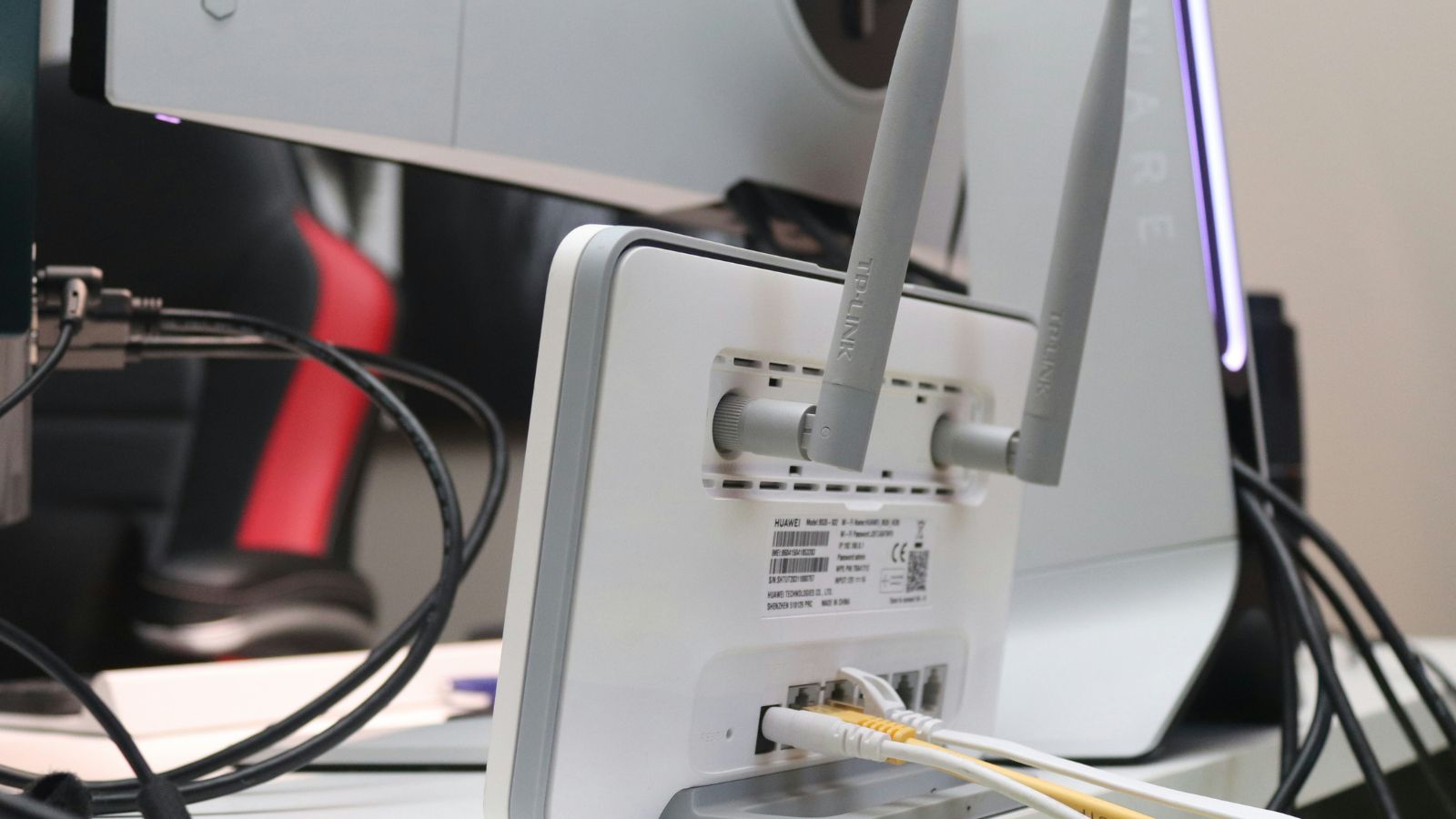
Wi-Fi 7 can deliver dramatically faster wireless speeds, lower latency, and better performance in crowded networks, but most households won’t see enough improvement to justify replacing a good Wi-Fi 6 router today.
That’s what makes the question “Is Wi-Fi 7 worth it?” surprisingly complicated. Router manufacturers advertise speeds approaching 46 Gbps, yet your actual experience depends on factors like device compatibility, internet speed, and how heavily your network is used.
If you’re building a multi-gig home network, gaming competitively, or transferring large files between devices, Wi-Fi 7 offers real advantages. However, if your internet plan is under 1 Gbps and your current router works well, upgrading may provide little noticeable benefit.
In this guide, I’ll compare Wi-Fi 6 vs Wi-Fi 7 speed, examine wireless network latency improvements, and help you decide whether a Wi-Fi 7 router deserves a place in your home network.
Quick Answer: Is Wi-Fi 7 Worth It?
If you only need a direct answer, here’s the short version:
- Upgrade to Wi-Fi 7 if you have a multi-gig internet connection.
- Upgrade if you own Wi-Fi 7-compatible devices.
- Upgrade if you regularly transfer large files over your local network.
- Upgrade if you play competitive online games and want the lowest possible wireless latency.
- Keep Wi-Fi 6 if your internet speed is below 1 Gbps.
- Keep Wi-Fi 6 if your current router performs reliably.
- Keep Wi-Fi 6 if most of your devices are more than two years old.
For most households in 2026, Wi-Fi 6 remains more than capable. However, power users can already benefit from Wi-Fi 7’s advanced capabilities.
What Is Wi-Fi 7?
Wi-Fi 7 is the latest generation of wireless networking technology based on the IEEE 802.11be standard.
At first glance, it looks like a simple speed upgrade. However, the technology goes much further than increasing bandwidth.
Wi-Fi 7 introduces several improvements designed to make wireless networks faster, more responsive, and more reliable under heavy loads.
Key improvements include:
- 320 MHz channels
- 4K-QAM modulation
- Multi-Link Operation (MLO)
- Enhanced spectrum utilization
- Reduced congestion handling
As a result, Wi-Fi 7 aims to deliver a wireless experience that feels much closer to a wired Ethernet connection.
Wi-Fi 6 vs Wi-Fi 7 Speed: What’s the Difference?
Before looking at real-world performance, it helps to understand what actually changed under the hood. The specifications below reveal why Wi-Fi 7 can deliver higher throughput, lower latency, and better efficiency than previous generations. Compare the key differences to see where the upgrade gains come from.
| Feature | Wi-Fi 6 | Wi-Fi 7 |
| Maximum Theoretical Speed | 9.6 Gbps | 46 Gbps |
| Channel Width | 160 MHz | 320 MHz |
| Modulation | 1024-QAM | 4096-QAM |
| Multi-Link Operation | No | Yes |
| Network Efficiency | High | Very High |
Looking at these numbers alone, Wi-Fi 7 appears nearly five times faster.
However, real-world networking rarely works at theoretical maximum speeds.
In my experience testing modern wireless equipment, the difference becomes most noticeable when multiple devices compete for bandwidth at the same time.
For example, a single laptop downloading a file may not reveal a huge difference. On the other hand, several family members streaming video, gaming, and attending video calls simultaneously can quickly expose the limitations of older wireless standards.
Therefore, the real benefit isn’t simply higher speed. It’s maintaining higher speeds more consistently.
Why Multi-Link Operation Changes Everything
If Wi-Fi 7 has a killer feature, it’s Multi-Link Operation.
Traditional Wi-Fi connections typically use one frequency band at a time. Your device may connect through either 2.4 GHz, 5 GHz, or 6 GHz.
Wi-Fi 7 changes that approach.
With Multi-Link Operation, compatible devices can communicate across multiple bands simultaneously.
Think of it like driving on three highways instead of one.
As a result:
- Data reaches devices faster.
- Network congestion decreases.
- Connections remain more stable.
- Latency becomes more predictable.
Most importantly, users experience fewer interruptions during demanding workloads.
This improvement matters more than the raw speed increase for many households.
How Wi-Fi 7 Improves Wireless Network Latency
Many consumers focus exclusively on download speeds.
However, wireless network latency often has a greater impact on everyday performance.
Latency measures how quickly data travels between devices and servers. Lower latency creates a more responsive experience.
You may notice improved latency when:
- Playing online games
- Using cloud gaming platforms
- Joining video conferences
- Streaming live content
- Accessing remote desktops
- Using virtual reality applications
For example, when I switched from an older Wi-Fi setup to a modern low-latency network, file downloads didn’t feel dramatically different. However, gaming sessions felt noticeably smoother because packet delays became more consistent.
That said, your internet provider still plays a major role.
A Wi-Fi 7 router cannot eliminate latency caused by distant servers or congested ISP infrastructure.
Nevertheless, it can significantly reduce wireless bottlenecks inside your home.
Wi-Fi 7 Also Strengthens Network Security
Speed isn’t the only reason to consider upgrading. Wi-Fi 7 also raises the security baseline by requiring WPA3 support, the latest generation of Wi-Fi security.
Compared to older WPA2 networks, WPA3 provides stronger protection against password-cracking techniques and offline brute-force attacks. Even if an attacker captures wireless traffic, modern WPA3 protections make it significantly harder to perform large-scale password guessing attempts.
For home users, the biggest advantage is improved protection for weak or reused passwords. While a strong password remains essential, WPA3 adds another layer of defense that older routers may not provide.
Furthermore, many Wi-Fi 7 routers receive longer firmware support cycles because manufacturers position them as premium networking products. As a result, upgrading can improve not only performance but also the long-term security of your home network.
If you’re already considering a router replacement, WPA3 support is another reason why Wi-Fi 7 represents a meaningful step forward rather than just a speed upgrade.
Does Wi-Fi 7 Matter for Gigabit Home Networking?
This is where Wi-Fi 7 starts making a compelling case.
Many internet providers now offer plans exceeding 1 Gbps. In some regions, 2 Gbps, 5 Gbps, and even 10 Gbps fiber connections are becoming increasingly common.
Older wireless technologies struggle to consistently deliver those speeds throughout an entire home.
Wi-Fi 7 was specifically designed with gigabit home networking in mind.
You may benefit from upgrading if you regularly use:
- Network-attached storage (NAS)
- Home media servers
- Multi-gig Ethernet switches
- High-resolution video workflows
- Large cloud backup systems
- Professional content creation environments
Furthermore, homes with dozens of connected devices can benefit from Wi-Fi 7’s improved efficiency.
The more demanding your network becomes, the more valuable these improvements appear.
Device Compatibility: The Most Overlooked Factor
Many buyers assume purchasing a Wi-Fi 7 router instantly upgrades their entire network.
Unfortunately, that’s not how wireless standards work.
A Wi-Fi 7 router only delivers its full benefits when connected devices also support Wi-Fi 7.
Before upgrading, check your:
- Smartphones – Many flagship smartphones now support Wi-Fi 7. However, mid-range and older devices often remain limited to Wi-Fi 6 or Wi-Fi 6E.
- Laptops – New premium laptops increasingly include Wi-Fi 7 adapters.Older systems may require hardware upgrades to take advantage of the latest standard.
- Gaming PCs – Modern gaming motherboards frequently support Wi-Fi 7. Therefore, PC gamers are among the first users likely to benefit.
- Smart Home Devices – Most smart home products still use older Wi-Fi standards. Consequently, upgrading your router won’t significantly improve their performance.
The Cost Problem: Is the Upgrade Worth the Money?
Price remains the biggest obstacle.
Wi-Fi 6 routers have become remarkably affordable over the last few years.
Meanwhile, Wi-Fi 7 routers still command premium pricing.
A quality Wi-Fi 6 router often costs substantially less than a comparable Wi-Fi 7 model.
Before upgrading, ask yourself four questions:
- Is my internet connection faster than 1 Gbps?
- Do I already own Wi-Fi 7 devices?
- Am I experiencing congestion or performance issues?
- Do I transfer large files frequently?
If you answered “no” to most of these questions, your money may be better spent elsewhere.
For example, upgrading internet service, improving router placement, or adding a mesh system often delivers larger real-world improvements.
Who Should Upgrade to Wi-Fi 7 Right Now?
Certain users can justify the upgrade today.
Competitive Gamers
Gamers benefit from improved latency and more consistent network performance. Although Ethernet remains the gold standard, Wi-Fi 7 narrows the gap significantly.
Content Creators
Video editors, photographers, and designers regularly move massive files. Therefore, faster wireless transfers can save valuable time.
Tech Enthusiasts
Early adopters who enjoy cutting-edge technology will appreciate Wi-Fi 7’s capabilities.
Multi-Gig Internet Subscribers
If you’re already paying for a 2 Gbps or faster internet plan, Wi-Fi 7 helps maximize that investment.
Who Should Keep Wi-Fi 6?
For many users, staying with Wi-Fi 6 remains the smartest decision.
Casual Internet Users
Web browsing, social media, video streaming, and email place relatively modest demands on modern networks.
Wi-Fi 6 handles these tasks exceptionally well.
Budget-Conscious Buyers
A premium Wi-Fi 6 router often provides better value than an entry-level Wi-Fi 7 model.
Homes With Older Devices
Without compatible hardware, many Wi-Fi 7 features simply remain unused. Consequently, upgrading may provide little measurable benefit.
Future-Proofing: Should You Buy Wi-Fi 7 Anyway?
Future-proofing is often cited as a reason to upgrade.
There’s some truth to that argument.
Over the next several years, more smartphones, laptops, tablets, and smart devices will support Wi-Fi 7.
As adoption grows, the benefits will become increasingly noticeable.
However, technology evolves quickly.
Buying a router solely for future-proofing isn’t always the best investment.
Instead, consider your replacement cycle.
If you’re already shopping for a new router today, choosing Wi-Fi 7 makes sense.
If your current Wi-Fi 6 router performs well, waiting another year or two is equally reasonable.
Final Verdict: Is Wi-Fi 7 Worth It?
So, is Wi-Fi 7 worth it?
For most households, not yet.
A quality Wi-Fi 6 router still provides excellent performance, strong coverage, and sufficient bandwidth for everyday internet usage. Most users simply won’t notice enough improvement to justify an immediate upgrade.
However, the answer changes for power users.
If you have a multi-gig internet connection, own Wi-Fi 7 devices, care about wireless network latency, or regularly move large amounts of data across your network, Wi-Fi 7 offers meaningful advantages today.
The technology is undeniably the future of wireless networking. The question isn’t whether Wi-Fi 7 is better than Wi-Fi 6. It clearly is.
The real question is whether your devices, internet connection, and usage patterns can actually take advantage of those improvements right now.
For many readers, the best strategy is simple: buy Wi-Fi 7 when you’re already planning to replace your router, not because marketing claims convinced you that your current Wi-Fi 6 setup is suddenly obsolete.
Frequently Asked Questions
Is Wi-Fi 7 faster than Wi-Fi 6?
Yes. Wi-Fi 7 offers significantly higher theoretical speeds and improved efficiency, particularly in crowded networks.
Can Wi-Fi 7 improve gaming?
Yes. Lower wireless network latency and Multi-Link Operation can improve responsiveness and connection stability.
Do I need a new phone for Wi-Fi 7?
Yes. Your device must support Wi-Fi 7 to use its advanced features.
Is Wi-Fi 7 worth it for a 500 Mbps internet plan?
Probably not. Wi-Fi 6 already handles a 500 Mbps connection extremely well.

I’m a Mechatronics Engineering enthusiast and tech writer who believes intelligent systems should be understandable to everyone. I’m passionate about robotics, embedded systems, and AI-driven automation—and even more passionate about breaking down how they work into clear, compelling stories. By blending hands-on engineering experience with thoughtful writing, I help readers connect with the technology shaping our future.





Leave a Reply